Manlig Hälsa
Din informationssajt om manlig hälsa
Manlig hälsa är ett begrepp som används för att särskilja de sjukdomar, problem eller upplevelser som är unika för män. Häri faller även hjärt- kärlsjukdomar, där det förvisso dör lika många kvinnor som män, där män i regel dör mellan 3 till 5 år tidigare än kvinnor. Att avgöra exakt vad det är som gör att män riskerar att dö i yngre ålder än kvinnor i samma typ av sjukdom är svårt men enligt vissa forskare kan det bero på att män ofta har ett tuffare liv. Saker som kan påverka är:
- Större spritintag
- Röker mer och från yngre ålder
- Övervikt
Detta är dock något som börjar ändra sig så sakteliga. Män börjar allt mer ta hand om sina kroppar och tar ansvar för sin hälsa på ett annat sätt än tidigare. Förr var det exempelvis vanligare att kvinnor sökte hjälp för saker som problem med sina fötter men idag är det precis lika vanligt att män köper hjälpmedel mot hälsporre och andra fotproblem. Det är en mycket positiv utveckling och hjälper till att bidra till bättre manlig hälsa.
Andra problem som faller under kategorin manlig hälsa men som inte är livshotande är inkontinens, håravfall, brist på testosteron, erektionsproblem och könssjukdomar. Vi kommer titta närmare på några av dem och ge tips på hur du kan lindra problemen eller förhoppningsvis bli av med dem.
Viktigt att notera är att god munhygien och regelbundna tandläkarbesök också spelar en kritisk roll i den övergripande hälsan. För de som befinner sig i Malmö, Tandvårdcentralen erbjuder professionella tandvårdstjänster som kan hjälpa till att upprätthålla inte bara en god munhälsa utan även bidra till en bättre allmänhälsa. Att investera i sin munhälsa är ett steg mot en bättre manlig hälsa.
Håravfall
Håravfall kan börja reda i unga år, så tidigt som i tonåren, och det är då svårt att söka hjälp för sina problem. Tidiga symtom är ett hårfäste som rör sig bakåt och att hår faller av både i sömnen och när man duschar.
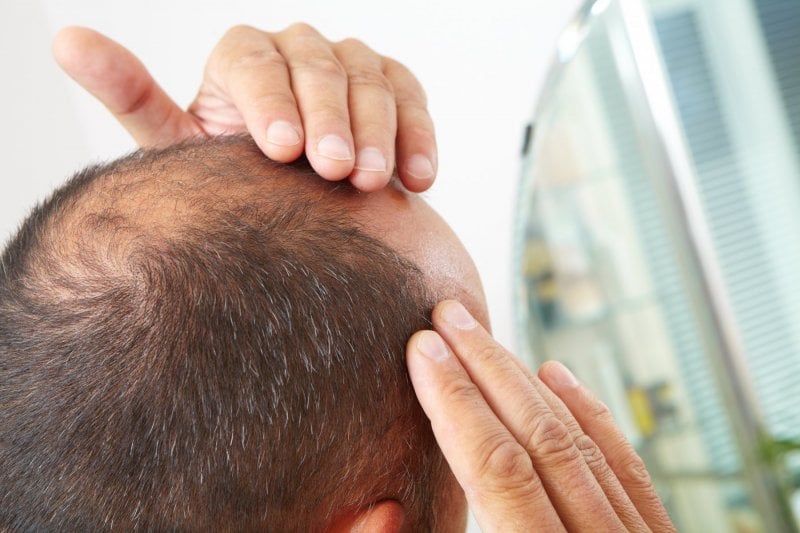
Det är troligen genetiskt och det spelar ingen roll om du bär hatt, keps eller andra huvudbonader. Är du benägen att drabbas av håravfall kommer det att ske oavsett om du bär mössa eller inte. Däremot kan man motverka håravfall.
- Ät mer hälsosamt - Frukt, grönsaker och fullkornsprodukter har visat sig ha en positiv effekt mot håravfall.
- Sluta röka - Nikotin har dålig inverkan på både hår, hud och naglar.
- Sluta stressa - Stress kan leda till håravfall i alla åldrar.
Om du redan har börjat tappa hår kan du testa hårbottenmassage, undvik starka kemikalier (färga inte håret alltså) och använd oljor för att återfukta hårbotten. Det går även att utföra hårtransplantationer.
Inkontinens
Män söker oftare än kvinnor svar på sina frågor online. Kvinnor är i allmänhet bättre på att kontakta sjukvården medan män väntar till de mår riktigt dåligt. En av de frågor som ofta ställs på nätet är om manlig inkontinens. Svårigheter att hålla tätt är en känslig fråga men kan också vara symtom på allvarliga åkommor.
Behöver du gå upp och kissa ofta på natten, känns urinblåsan inte riktigt tom eller kommer de sista dropparna i underkläderna kan det vara tecken på problem med prostata så som förstorad prostata eller cancer. Sök vård för att göra PSA-test och undersöka prostatan.
Det kan också vara helt ofarligt och ett resultat av ålder. Börja att göra knipövningar för att träna upp den muskel som stänger urinvägen. Det kan hjälpa mot urininkontinens.
Låga testosteronnivåer
Låga testosteronnivåer eller hypogonadism är ett medicinskt tillstånd där kroppen inte producerar tillräckliga mängder av testosteron, det primära manliga könshormonet. Testosteron spelar en avgörande roll i manlig utveckling och hälsa, påverkar allt från muskelmassa och benstyrka till sexlust och spermieproduktion.
Om ens testosteronnivå är helt ur balans kan det påverka hela din vardag. Saker som ett betydligt sämre humör, trötthetskänsla, minskad sexlust och allmän hängighet är bara några få som kan drabba dig om du inte har rätt nivå av testosteron i kroppen.
Orsakerna till låga testosteronnivåer kan vara många, inklusive åldrande, skador på testiklarna, hormonrubbningar, kroniska sjukdomar som typ 2-diabetes, och vissa mediciner. Genom ett test kan man se vilken nivå man ligger på och sedan kan man tillsätta testosteron till kroppen genom olika tillskott.
Vill du veta mer? På Testosteron.se kan du läsa mer om hur brist på testosteron kan påverka dig och även hitta olika former av tester och tillskott. Livsstilsförändringar som regelbunden motion och en balanserad kost också bidra till att förbättra testosteronnivåerna.
Jag kan inte behålla min erektion
Detta är ett mycket vanligt problem för män och drabbar män i alla åldrar. Redan i unga år kan män känna att penis slaknar under samlag och istället för att prata med sin partner väljer de att låta bli sex och förlitar sig på internet. 
Erektionsproblem är inte alltid rent medicinska men det finns naturligtvis de som kan bli hjälpta av mediciner. Rekommendation är att börja med att prata med en sexolog eller psykolog för att se om det finns underliggande problem som skapar svårigheter med erektionen. Hjälper inte det kan man vända sig till vårdcentral för att utreda om man behöver hjälp med Viagra eller liknande.
Stroke
Varje år drabbas ungefär 25 000 personer av stroke i Sverige. Det är den tredje vanligaste dödsorsaken i landet och den enskilt vanligaste orsaken till handikapp hos vuxna. De allra flesta som drabbas är över 65 år men även yngre kan få stroke. Det är aningen fler män än kvinnor som drabbas. En konsekvens av att ha fått stroke är att man inte längre får köra bil. Detta på grund av risken för olyckor. Då kan det vara läge att sälja bilen snabbt. Här får du hjälp att sälja din bil och du slipper krångel med annonsering och kan fokusera på att bli frisk igen.
Könssjukdomar
Detta är något som drabba både män och kvinnor. Kvinnor är dock i regel mycket snabbare på att söka hjälp eller rådgivning än vad män är. Använd kondom om du har sex med tillfällig partner. Det är det enda som hjälper mot könssjukdomar. Vi listar några av de vanligaste:
- Klamydia - Var uppmärksam på smärta när du kissat, tunna vita små flytningar på penis och smärta i testiklar. Om klamydia inte behandlas kan det leda bistestikelinflammation vilket i sin tur kan leda till att du blir steril.
- Gonorré - Tjocka gröna flytningar från penis och att det svider när man kissar är vanliga symtom.
- Syfilis - Om du får små sår på penis eller runt anus kan det vara en indikation på syfilis. Såren försvinner och sedan får man influensaliknande symtom med feber, trött och ont i leder. Syfilis kan leda till döden om den lämnas obehandlad även om det dröjer flera år.
- Herpes - Ser du blåsor på penis eller vid anus kan det betyda att du fått genital herpes. Detta är ett virus och går inte att bota men det finns krämer och mediciner som lindrar besvären när de dyker upp.
- Kondylom - En sjukdom som ger vårtor som är antingen spetsiga eller runda. De kan klia och svida men det är lika vanligt att det inte ger obehag. Man kan pensla ett medel på som tar bort vårtorna eller bränna, alternativt frysa bort dem.
Manlig hälsa är ett mycket stort begrepp men vi hoppas du fått svar på några av dina frågor. Om inte rekommenderar vi att du tar kontakt med din vårdcentral, 1177 eller online doktor som kan hjälpa dig vidare. Alla förtjänar att må bra!